Replacing a part in a bulldozer is a task that requires careful planning, the right tools, and a good understanding of the machine's structure. As a bulldozer supplier, I've seen firsthand the importance of proper maintenance and part replacement to keep these powerful machines running efficiently. In this blog, I'll guide you through the general process of replacing a part in a bulldozer, highlighting key steps and considerations.
Step 1: Identify the Problem and the Part to be Replaced
The first step in any part replacement process is to accurately diagnose the problem. This might involve visual inspections, listening for unusual noises, or using diagnostic tools if available. For example, if you notice that the bulldozer is having trouble moving forward or backward, it could be an issue with the transmission or the tracks. Once you've identified the problem, you need to determine which part needs to be replaced.
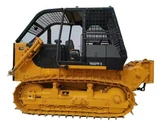
As a bulldozer supplier, we offer a wide range of bulldozers suitable for different terrains and applications. For instance, the 220hp Forest Logging Bulldozer is specifically designed for forestry work, while the Desert Type Bulldozer is built to withstand the harsh conditions of desert environments, and the Rock Type Bulldozer is ideal for rocky terrains. Each type of bulldozer may have unique parts and requirements, so it's crucial to have the correct part for your specific model.
Step 2: Gather the Necessary Tools and Parts
Before you start the replacement process, make sure you have all the tools and parts you need. This might include wrenches, sockets, screwdrivers, a jack, and safety equipment such as gloves and goggles. The specific tools required will depend on the part you're replacing. For example, replacing a track might require a track press, while replacing an engine component might need specialized engine tools.
When it comes to parts, it's essential to use high - quality, compatible parts. As a supplier, we ensure that all our parts meet the highest standards of quality and are designed to fit our bulldozers perfectly. Using sub - standard parts can lead to further problems and reduce the lifespan of your bulldozer.
Step 3: Prepare the Bulldozer
Safety is the top priority when working on a bulldozer. First, park the bulldozer on a flat, stable surface and engage the parking brake. Turn off the engine and allow it to cool down completely to avoid burns. Disconnect the battery to prevent any electrical hazards.
If you're working on a hydraulic part, relieve the hydraulic pressure in the system. This can usually be done by operating the controls in a specific sequence as described in the bulldozer's manual.
Step 4: Remove the Old Part
Once the bulldozer is prepared, it's time to remove the old part. Start by removing any covers, guards, or brackets that are blocking access to the part. Use the appropriate tools to loosen and remove the bolts, nuts, or fasteners holding the part in place. Be careful not to damage any surrounding components during the removal process.
Some parts may be heavy or awkward to handle. In such cases, use a hoist or a lifting device to safely remove the part. Keep track of all the small parts, such as bolts and washers, and organize them in a way that makes it easy to reinstall them later.
Step 5: Install the New Part
Before installing the new part, inspect it carefully for any damage or defects. Make sure it's the correct part for your bulldozer. Clean the mounting surface where the new part will be installed to ensure a proper fit.
Align the new part with the mounting holes and insert the bolts or fasteners. Tighten them to the specified torque settings as recommended in the bulldozer's manual. Over - tightening or under - tightening the fasteners can cause problems later on.
If the part requires any fluid connections, such as hydraulic hoses or fuel lines, make sure they are properly connected and sealed to prevent leaks.
Step 6: Reassemble and Test
After installing the new part, reassemble any covers, guards, or brackets that you removed earlier. Reconnect the battery and refill any fluids that were drained during the process, such as hydraulic fluid or engine oil.
Start the bulldozer and perform a series of tests to ensure that the new part is working correctly. Check for any leaks, unusual noises, or vibrations. Operate the bulldozer in a safe area and test its functionality. If you notice any problems, stop the bulldozer immediately and troubleshoot the issue.
Additional Considerations
- Training and Experience: Replacing a part in a bulldozer can be a complex task, especially for inexperienced operators. If you're not confident in your abilities, it's recommended to seek the help of a professional mechanic.
- Maintenance Schedule: Regular maintenance is key to preventing part failures. Follow the manufacturer's recommended maintenance schedule for your bulldozer to keep it in top condition.
- Documentation: Keep a record of all part replacements and maintenance activities. This documentation can be useful for warranty claims and for tracking the history of your bulldozer's maintenance.
Conclusion
Replacing a part in a bulldozer is a multi - step process that requires careful attention to detail and a commitment to safety. As a bulldozer supplier, we understand the importance of providing high - quality parts and support to our customers. Whether you need a part for a 220hp Forest Logging Bulldozer, a Desert Type Bulldozer, or a Rock Type Bulldozer, we have you covered.
If you're in need of bulldozer parts or have any questions about part replacement, don't hesitate to contact us. We're here to help you keep your bulldozer running smoothly and efficiently.


References
- Manufacturer's manuals for bulldozers
- Industry standards for bulldozer maintenance and repair