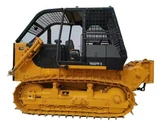
As a supplier of 260hp Tracked Bulldozers, I understand the importance of proper maintenance to ensure the optimal performance and longevity of these powerful machines. One crucial aspect of maintenance is regularly checking the coolant level. In this blog post, I'll guide you through the process of checking the coolant level in a 260hp Tracked Bulldozer, sharing some valuable insights and tips along the way.
Why Checking Coolant Level is Important
Before diving into the checking process, let's understand why monitoring the coolant level is so vital. The coolant in a bulldozer plays a dual role: it helps to keep the engine at an appropriate operating temperature and prevents the engine from freezing in cold conditions. Overheating can cause severe damage to the engine, leading to costly repairs and downtime. On the other hand, insufficient coolant can also result in inefficient cooling, reducing the overall performance of the bulldozer. Therefore, maintaining the correct coolant level is essential for the smooth operation of your 260hp Tracked Bulldozer.


Pre - checking Preparations
- Safety First: Always ensure the bulldozer is parked on a level surface. Turn off the engine and allow it to cool down completely. The coolant system can be under high pressure when the engine is hot, and opening the radiator cap can cause hot coolant to spray out, leading to serious burns.
- Gather Necessary Tools: You'll need a clean cloth or rag to wipe off any dirt or debris around the coolant reservoir or radiator cap. In some cases, you might also need a funnel if you need to add coolant.
Locating the Coolant Reservoir
In most 260hp Tracked Bulldozers, the coolant reservoir is a translucent plastic tank. It is usually located near the radiator and is clearly marked with "Coolant" or a similar label. Some models may have the radiator cap itself as the primary point for checking and adding coolant. Refer to your bulldozer's operator's manual if you're having trouble finding the coolant reservoir.
Checking the Coolant Level
- Visual Inspection: If your bulldozer has a translucent coolant reservoir, you can simply look at the level markings on the side of the tank. There are usually two marks: a "MIN" (minimum) and a "MAX" (maximum). The coolant level should be between these two marks. If the level is close to or below the "MIN" mark, it's time to add coolant.
- Radiator Cap Check (if applicable): If your bulldozer doesn't have a separate coolant reservoir, you'll need to check the coolant level in the radiator. After ensuring the engine is cool, carefully remove the radiator cap. You should see the coolant close to the top of the radiator opening. If the level is significantly low, it indicates a coolant loss, which may be due to a leak or evaporation.
Interpreting the Results
- Normal Level: If the coolant level is between the "MIN" and "MAX" marks on the reservoir or close to the top of the radiator opening, your coolant level is normal. However, it's still a good idea to check it regularly as part of your routine maintenance.
- Low Level: If the coolant level is below the "MIN" mark, you need to add coolant immediately. But before adding coolant, it's important to check for any signs of leaks. Look under the bulldozer for puddles of coolant or wet spots on hoses and connections. If you find a leak, it should be repaired before adding more coolant.
- High Level: A coolant level above the "MAX" mark can be a sign of overfilling or a problem with the cooling system, such as a blocked radiator or a malfunctioning thermostat. In this case, it's best to drain some coolant to bring the level back to normal and have the cooling system inspected.
Adding Coolant
- Choose the Right Coolant: Use the coolant recommended by the bulldozer manufacturer. Different engines may require different types of coolant, so it's important to use the correct one to ensure proper cooling and prevent damage to the engine.
- Add Coolant Slowly: If you need to add coolant, use a funnel to pour it into the coolant reservoir or radiator. Add the coolant slowly to avoid spills and overfilling. Keep an eye on the level as you add coolant, and stop when it reaches the appropriate level.
Regular Maintenance Tips
- Check Coolant Regularly: Make it a habit to check the coolant level every time you perform routine maintenance on your bulldozer, such as before or after each shift.
- Flush the Cooling System Periodically: Over time, coolant can break down and become contaminated with rust, scale, and other debris. Flushing the cooling system at the recommended intervals (usually every few years or based on the manufacturer's guidelines) helps to keep the system clean and functioning properly.
- Inspect Hoses and Connections: Regularly check the coolant hoses and connections for signs of wear, cracks, or leaks. Replace any damaged hoses or connections immediately to prevent coolant loss.
Related Bulldozer Models
If you're interested in other bulldozer models, we also offer 160hp Forestry Logging Bulldozer which is specifically designed for forestry applications. It has excellent maneuverability and power to handle the tough logging environment. For waste management purposes, our Bulldozer for Waste Management is a great choice, with features that make it suitable for waste handling and site clearing. And if you need even more power, our 320hp Tracked Bulldozer is a powerful and reliable option.
Conclusion
Checking the coolant level in a 260hp Tracked Bulldozer is a simple yet crucial maintenance task. By following the steps outlined in this blog post, you can ensure that your bulldozer's cooling system is in good working condition, preventing overheating and costly engine damage. Remember, regular maintenance is the key to keeping your bulldozer running smoothly and efficiently.
If you're in the market for a 260hp Tracked Bulldozer or have any questions about our products, feel free to reach out to us for a procurement discussion. We're here to provide you with the best solutions for your construction and earth - moving needs.
References
- Manufacturer's Operator's Manual for 260hp Tracked Bulldozer
- General Guidelines for Heavy Equipment Maintenance