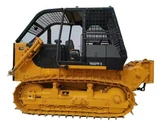
As a provider of Extended Track Bulldozers, I understand the critical role that engine heat dissipation plays in the overall performance and longevity of these powerful machines. In this blog post, I'll delve into the heat dissipation requirements for an Extended Track Bulldozer's engine, exploring the factors that influence them and the solutions we offer to meet these demands.
The Importance of Engine Heat Dissipation
The engine of an Extended Track Bulldozer is the heart of the machine, generating the power needed to perform heavy - duty tasks such as pushing, grading, and excavation. During operation, a significant amount of heat is produced as a by - product of the combustion process. If this heat is not properly dissipated, it can lead to a range of problems.
Excessive heat can cause engine components to expand beyond their designed tolerances, leading to increased wear and tear. This can result in reduced engine efficiency, power loss, and even catastrophic engine failure. Moreover, high temperatures can also degrade engine oil, reducing its lubricating properties and increasing the risk of friction and damage to moving parts.
Factors Influencing Heat Dissipation Requirements
1. Engine Size and Power Output
Larger engines with higher power outputs naturally generate more heat. Extended Track Bulldozers often come with engines that are designed to deliver substantial torque and horsepower to handle tough terrain and heavy loads. For example, our 220hp Tracked Bulldozer has a more powerful engine compared to a smaller - sized bulldozer. As a result, it requires a more robust heat dissipation system to keep the engine within the optimal temperature range.


2. Operating Conditions
The environment in which the bulldozer operates has a significant impact on heat dissipation requirements. In hot and arid regions, the ambient temperature can be extremely high, making it more difficult for the engine to shed heat. Similarly, in dusty or dirty environments, the radiator and other cooling components can become clogged, reducing their efficiency. For instance, when operating in a desert construction site, the engine has to work harder to dissipate heat due to the high outside temperature and the presence of fine dust particles.
3. Duty Cycle
The duty cycle of the bulldozer, which refers to the amount of time it spends under load, also affects heat generation. A bulldozer that is constantly pushing heavy loads for extended periods will generate more heat compared to one that is used intermittently. For example, in a large - scale earth - moving project where the bulldozer is continuously in operation, the engine will need an effective heat dissipation system to prevent overheating.
Heat Dissipation Components and Their Functions
1. Radiator
The radiator is the primary component responsible for dissipating heat from the engine coolant. It consists of a series of tubes and fins that increase the surface area available for heat transfer. As the hot coolant flows through the tubes, air passing over the fins carries away the heat, cooling the coolant before it returns to the engine. Our Extended Track Bulldozers are equipped with high - efficiency radiators that are designed to provide maximum heat transfer even under challenging operating conditions.
2. Cooling Fan
The cooling fan helps to draw air through the radiator, enhancing the heat transfer process. In some of our bulldozers, we use variable - speed fans that can adjust their speed based on the engine temperature. This not only improves cooling efficiency but also reduces power consumption.
3. Water Pump
The water pump circulates the coolant through the engine and the radiator. It ensures a continuous flow of coolant, which is essential for maintaining a stable engine temperature. A well - designed water pump with sufficient capacity is crucial for effective heat dissipation.
4. Oil Cooler
In addition to cooling the engine coolant, it is also important to cool the engine oil. The oil cooler helps to maintain the proper viscosity of the oil by removing heat. This is especially important in high - load applications where the oil can become overheated, leading to reduced lubrication performance.
Our Solutions for Meeting Heat Dissipation Requirements
1. Custom - Designed Cooling Systems
We understand that different customers have different needs based on their operating conditions and application requirements. That's why we offer custom - designed cooling systems for our Extended Track Bulldozers. For example, for customers operating in hot and dusty environments, we can provide radiators with larger surface areas and more efficient air - flow designs.
2. High - Quality Components
We use only high - quality components in our heat dissipation systems. Our radiators are made from durable materials that can withstand the rigors of heavy - duty use. The cooling fans are designed for maximum efficiency and reliability, and the water pumps are engineered to provide a consistent flow of coolant.
3. Regular Maintenance and Support
We also offer comprehensive maintenance and support services to ensure that the heat dissipation systems of our bulldozers are always in optimal condition. Our technicians are trained to perform regular inspections, clean the cooling components, and replace any worn - out parts.
Meeting the Diverse Needs of Our Customers
We offer a wide range of Extended Track Bulldozers to meet the different needs of our customers. For those looking for a more lightweight option, our 160hp Standard Type Crawler Bulldozer provides a good balance between power and fuel efficiency. On the other hand, for customers who require more power for large - scale projects, our 220hp Tracked Bulldozer is the ideal choice.
In addition, we also have specialized models such as the Crawler Type Wetland Bulldozer, which is designed to operate in wet and marshy areas. These bulldozers are equipped with heat dissipation systems that are specifically tailored to the unique challenges of such environments.
Conclusion
Proper heat dissipation is essential for the reliable operation of an Extended Track Bulldozer's engine. By understanding the factors that influence heat dissipation requirements and offering customized solutions, we are able to provide our customers with bulldozers that can perform at their best in a variety of operating conditions.
If you are in the market for an Extended Track Bulldozer and want to learn more about our products and how we can meet your heat dissipation needs, we encourage you to contact us for a detailed discussion. Our team of experts is ready to assist you in selecting the right bulldozer and ensuring that it meets your specific requirements.
References
- Automotive Cooling System Design Handbook, SAE International
- Engine Cooling Technology and Applications, ASME Publications